


The
Relational Leadership Community of Practice
centered around unit-based leaders at ~5 select health systems
Founding Members



Why
are we doing this?

To collaboratively develop a better paradigm for communicating about operational changes and underlying dynamics among nurses, centered around unit-based leaders, to:

streamline communication

cultivate trust & alignment

ensure all voices are safely heard
Ultimately, the aim is to improve retention, performance, alignment, patient care, and ensure nurses feel better and are more fulfilled in their work.
What
is that “better” paradigm?
The community will iteratively build upon the Relational Leadership Cycle developed by
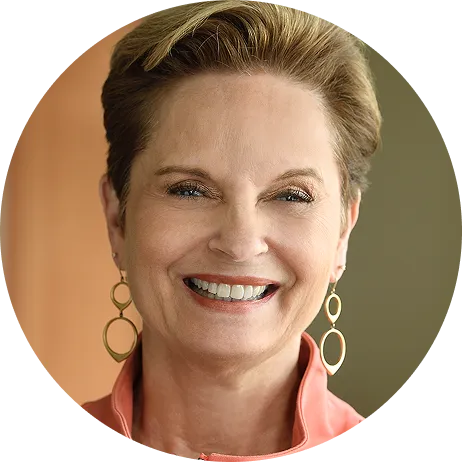
Cynda Rushton

How
will this be implemented?
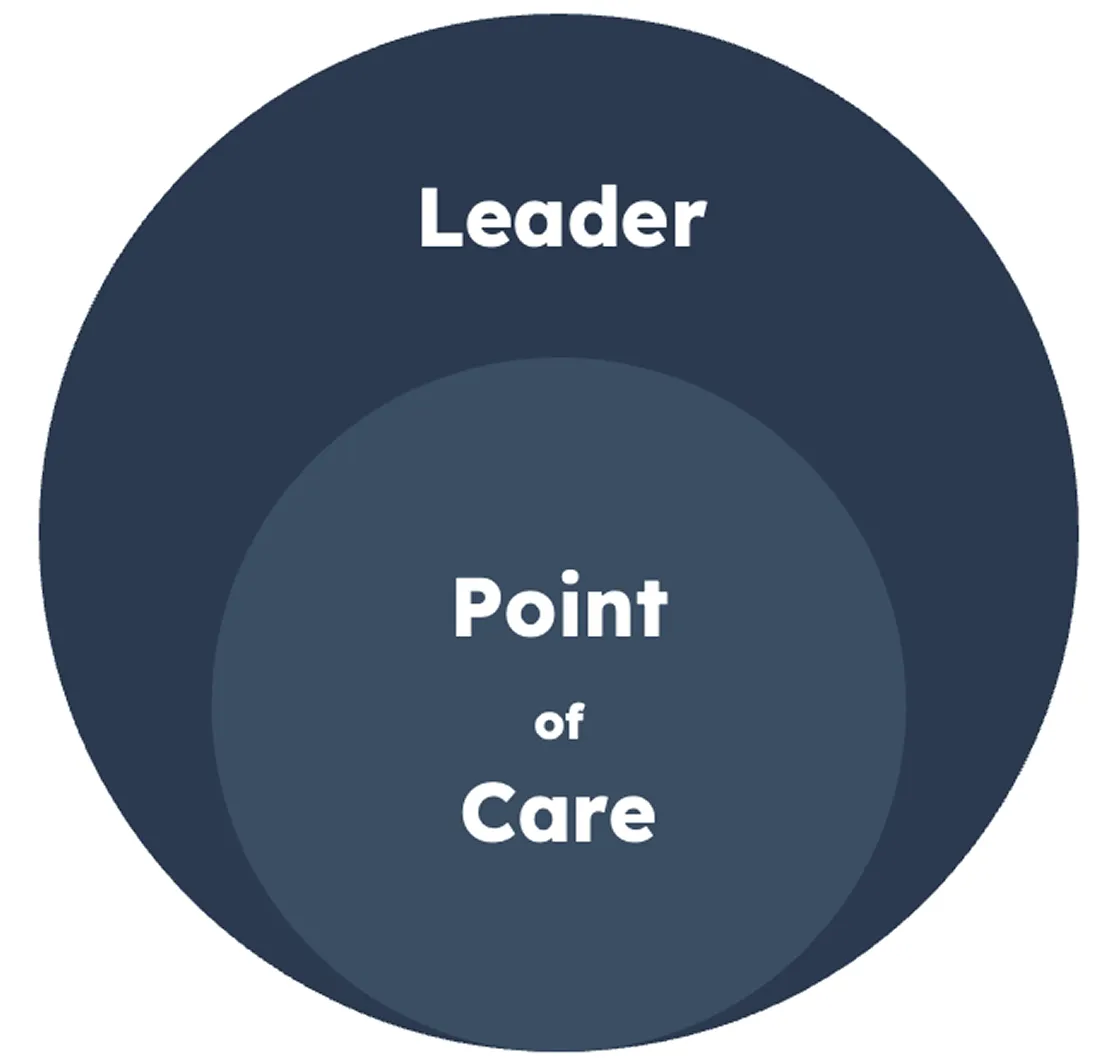
The Relational Leadership Cycle can be conducted between 2 “links”
senior leaders

senior leaders

unit-based leaders

unit-based leaders
point of care nurses

point of care nurses
One Community
with two cohorts
Each of the ~5 selected Member Systems will begin by joining the Leader Cohort to conduct the Relational Leadership Cycle between Senior Leadership and Unit-based Leaders.
A formal commitment is not required beyond the Leader Cohort. If the Relational Leadership Cycle demonstrates impact and there is demand from leaders, however, it is our hope that participating Members would select 5-7 unit-based leaders to join the Point of Care Cohort. Those leaders would then conduct the Relational Leadership Cycle within their units.
Contributors
In addition to direct support and services from Slow Talk, all participating unit-based leaders will also receive at least one hour of monthly one-on-one coaching and specialized training from distinguished nurse leaders including:
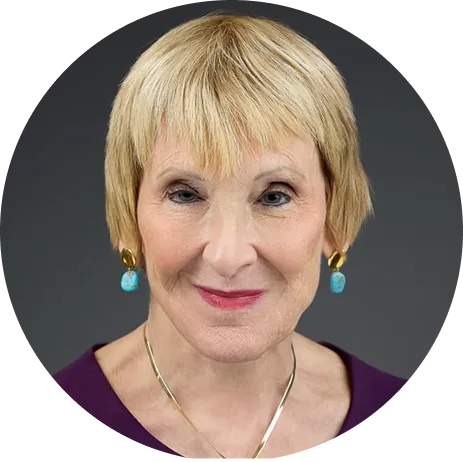
Joyce Batcheller

Katie Boston-Leary
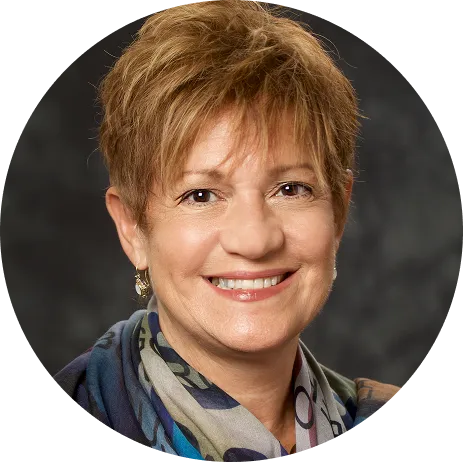
Rosanne Raso
and more...
Community
Activities
Quarterly virtual meetings with all senior leadership
Bi-monthly Slow Talks among all unit-based leaders
At least one in-person gathering with all stakeholders
Independent
Assessment

Olga Yakusheva
An independent assessment team will develop & deploy best-in-class methods for efficiently & credibly evaluating workforce outcomes as well as patient care and financial implications.
Who
will have what responsibilities?
- Allocate system resources as detailed below.
- Ensure executive support for nurse leaders over the course of the term.
- Share some mutually agreed upon KPIs for the purposes of assessment.*
- Facilitate stakeholder engagement.
- Provide content based on her Relational Integrity framework.
- Provide ongoing strategic guidance.
- Deliver all services and functionalities identified in the Relational Leadership Cycle demo.
- Conduct regular and efficient stakeholder discovery to identify challenges and opportunities.
- Invest all staffing and engineering resources to respond swiftly.
- Provide monthly one-on-one leader coaching, including thorough review of Relational Leadership Cycle analyses for efficient and informed use of Leader time.
- Develop capacity-building activities for integration into Slow Talks.
- Develop an efficient methodology to assess outcomes and financial implications.
- Assemble the team and execute effectively.
- Produce credible, compelling results for broad sector attention.
- Raise additional funding to cover remaining expenses.
Ideal Profile for
Health Systems
Each system should have:
nursing executives that exemplify Relational Leadership
a functional and cooperative c-suite
at least 40 acute care units distributed across the system
Collectively, the aim is to assemble an inclusive community of systems that are:

serving diverse populations

academic & non-academic

rural, urban & suburban

public, nonprofit & for-profit
System Resource
Requirements

~ 1/2 day a week from a designated Project Manager + at least 4 hours per quarter from Senior Leadership to participate in strategy sessions with other systems and to review and contribute content.

Leader Cohort
< $30,000 for all your nurse leaders
(to conduct the Relational Leadership Cycle over 6 months)
Point of Care Cohort*
just over $100k depending on # of units & characteristics
(the total costs for 5-7 units to each conduct the Relational Leadership Cycle over 6 months)
*only if the system decides to join
Get in Touch
Slow Talk is dedicated to transforming how power forms and who wields it — building a more deliberative and representative way for people to be heard — and elevating leaders who listen above those who simply shout.
About us

